We arrived on the Shinkansen train in Hiroshima and it was absolutely chucking it down!
It was only later we would realise that water has a really powerful meaning for the city…
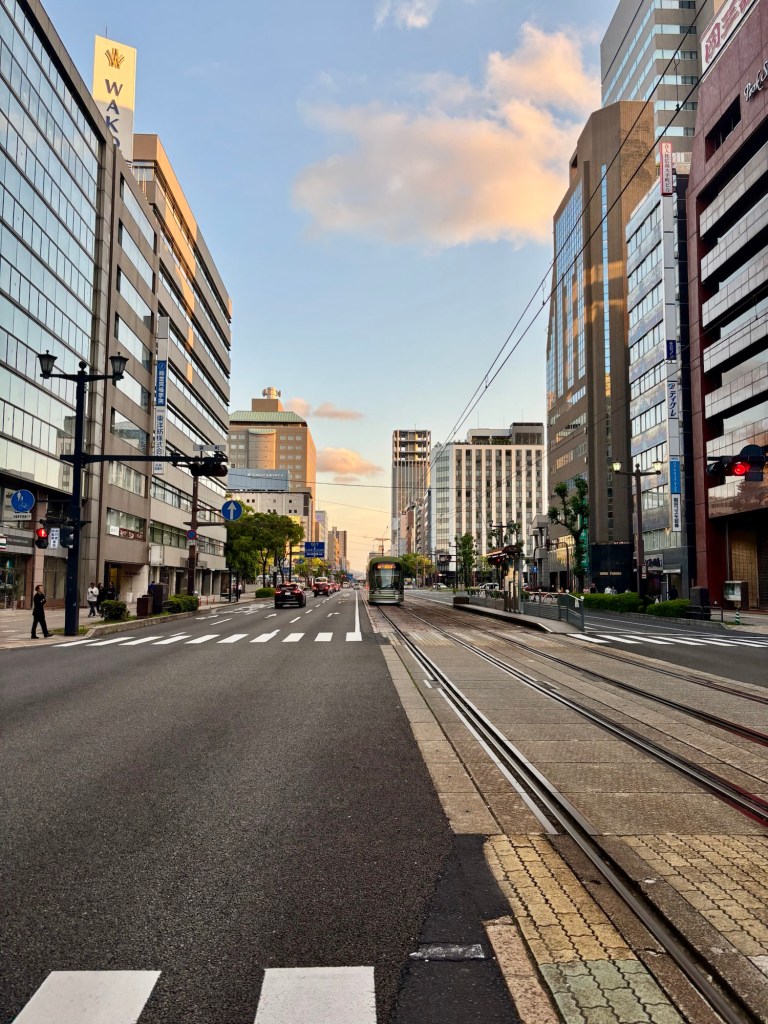
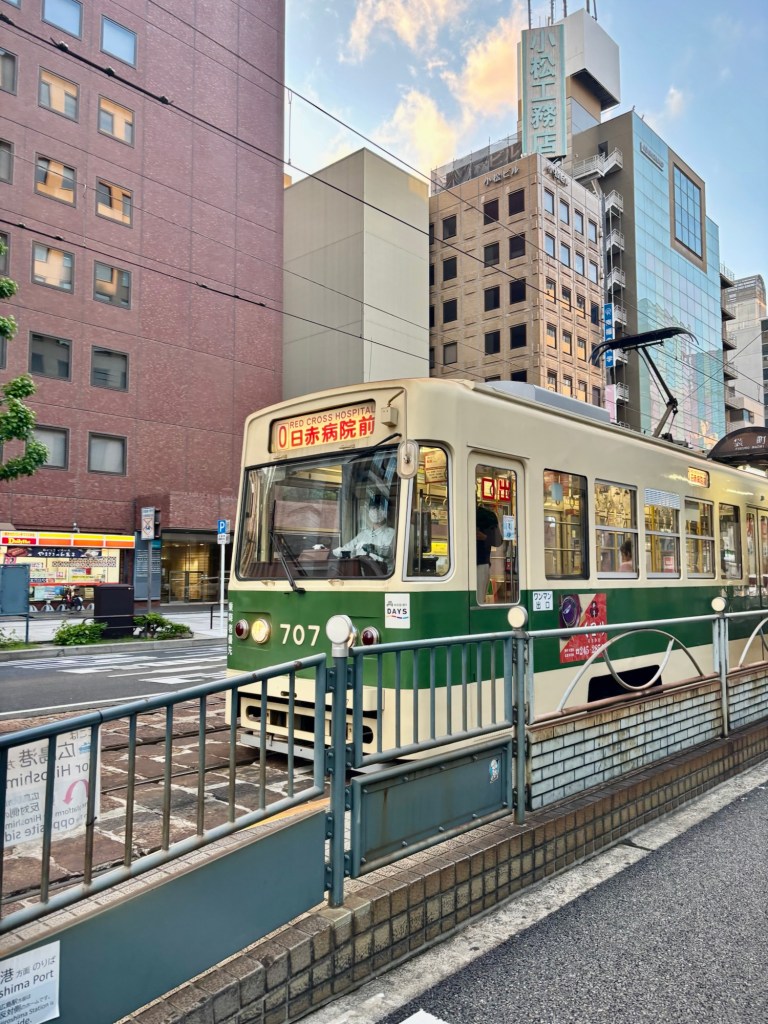
We were unsure what to expect in Hiroshima but were surprised by how clean, modern and calm the atmosphere was, in comparison to other more chaotic Japanese cities.
We decided that it would be best to opt for a walking tour to learn the most about the city’s history and monuments.
We started the tour at the Peace Memorial Dome.
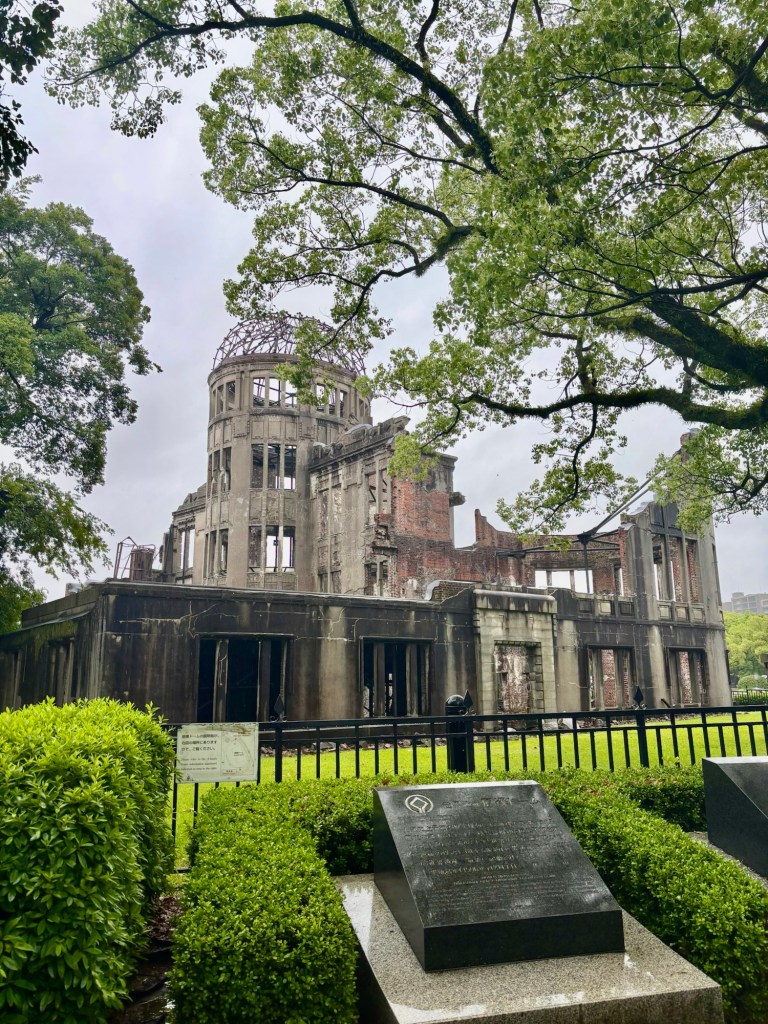
Prior to the war, the building was the Hiroshima Prefectural Industrial Promotion Hall.
After the bomb in 1945, it became significant as it was the only building left standing in close proximity to the epicentre. It had been designed at the time with modern Japanese architecture, using stone and steel structures as opposed to the usual wood.
It has been preserved in same state as immediately after the bomb. There was debate in Japan about whether it should be kept, but it was decided that it was a symbol of resilience and hope but also a reminder of the destructive force of war.
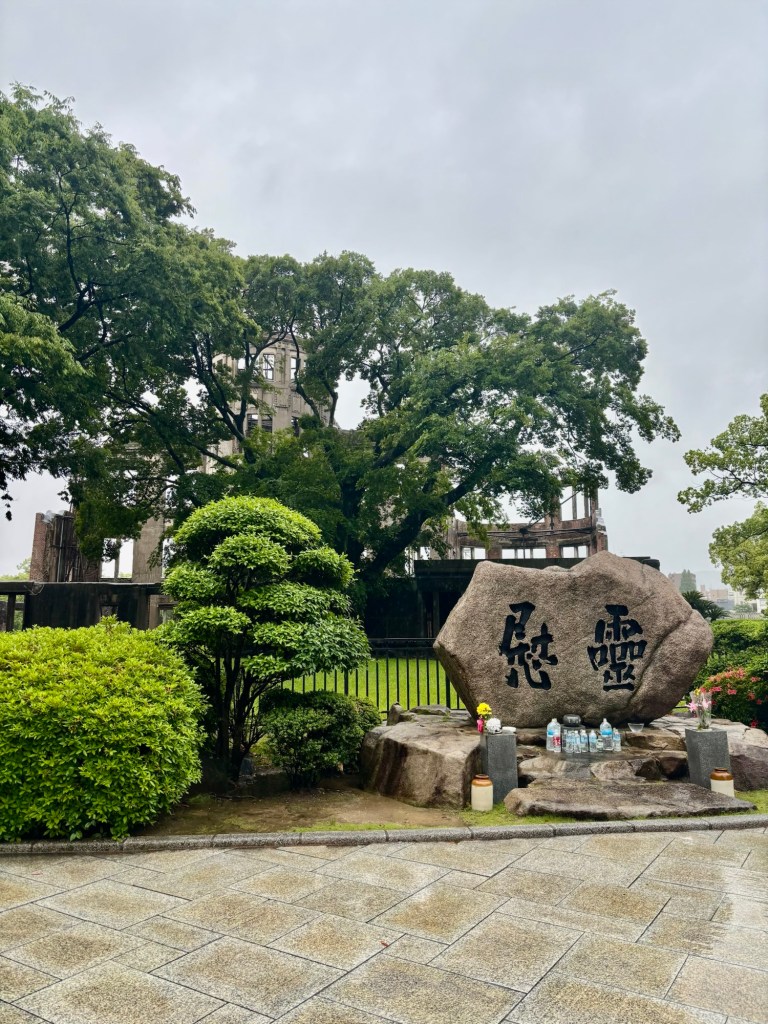
Today, many people leave bottles of water by the Dome, as a symbol of respect and remembrance.
This is symbolic because in the aftermath of the bomb, thousands of people were burned, injured and died from radiation exposure. One of the most sobering accounts from survivors is the voice of people asking for water. Because of this, water became a powerful symbol of their suffering.
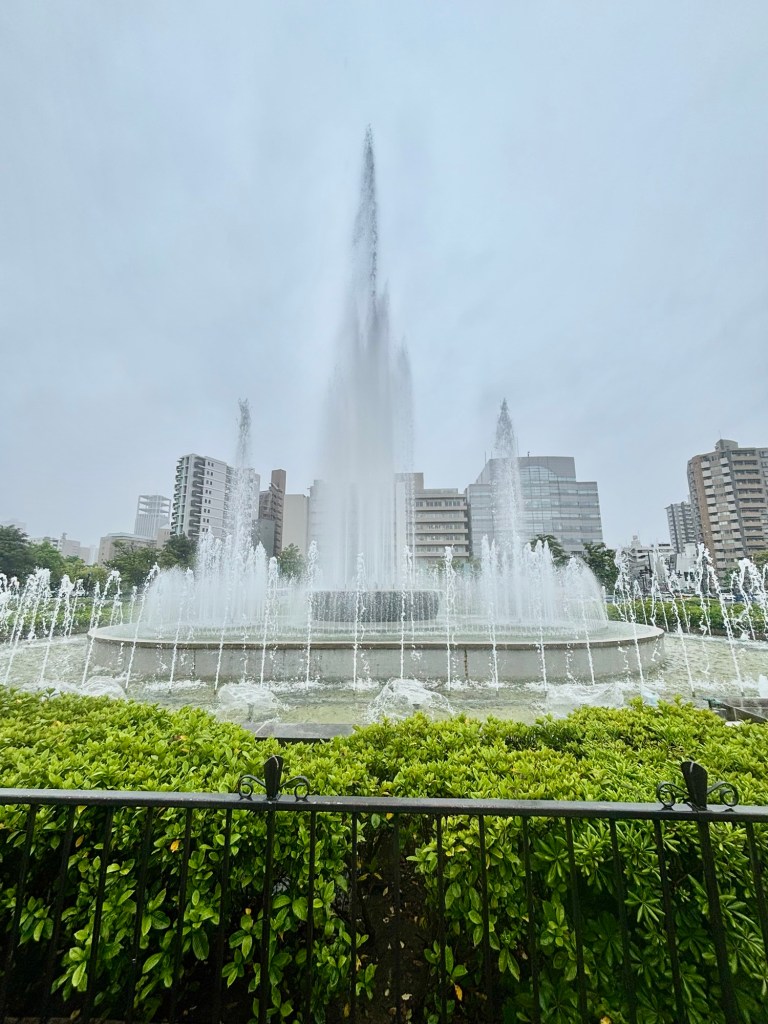
From the Peace Memorial Dome, we then walked to Peace Memorial Park. This area was previously the commercial hub of the city, the area is now devoted to peace memorials.
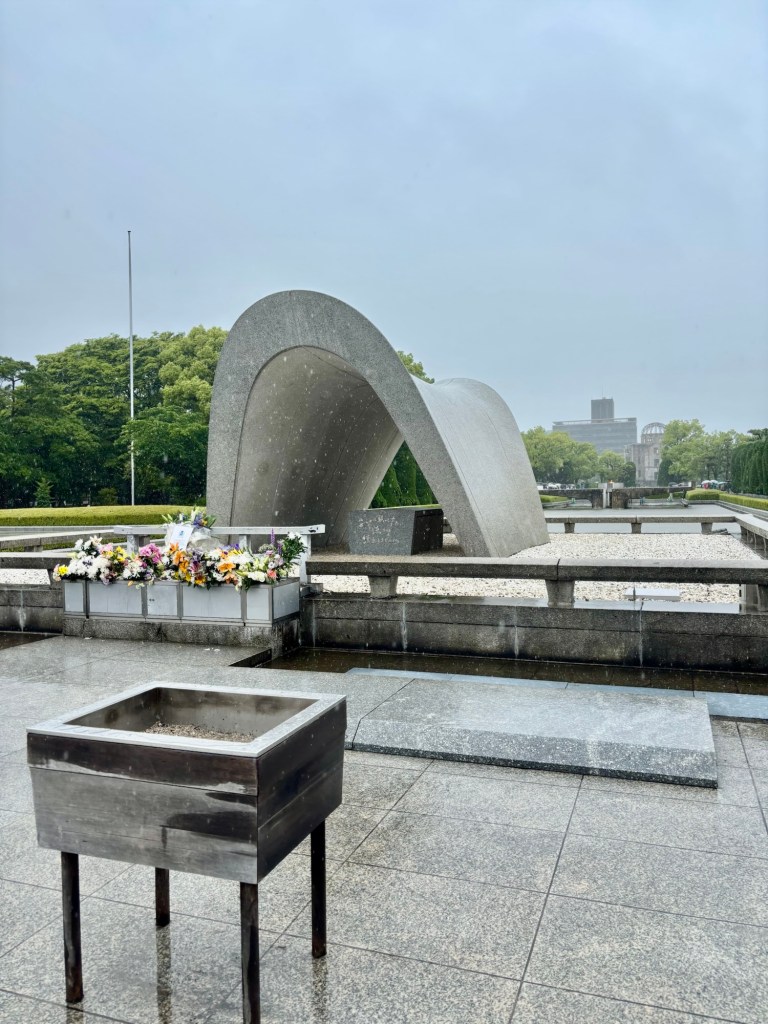
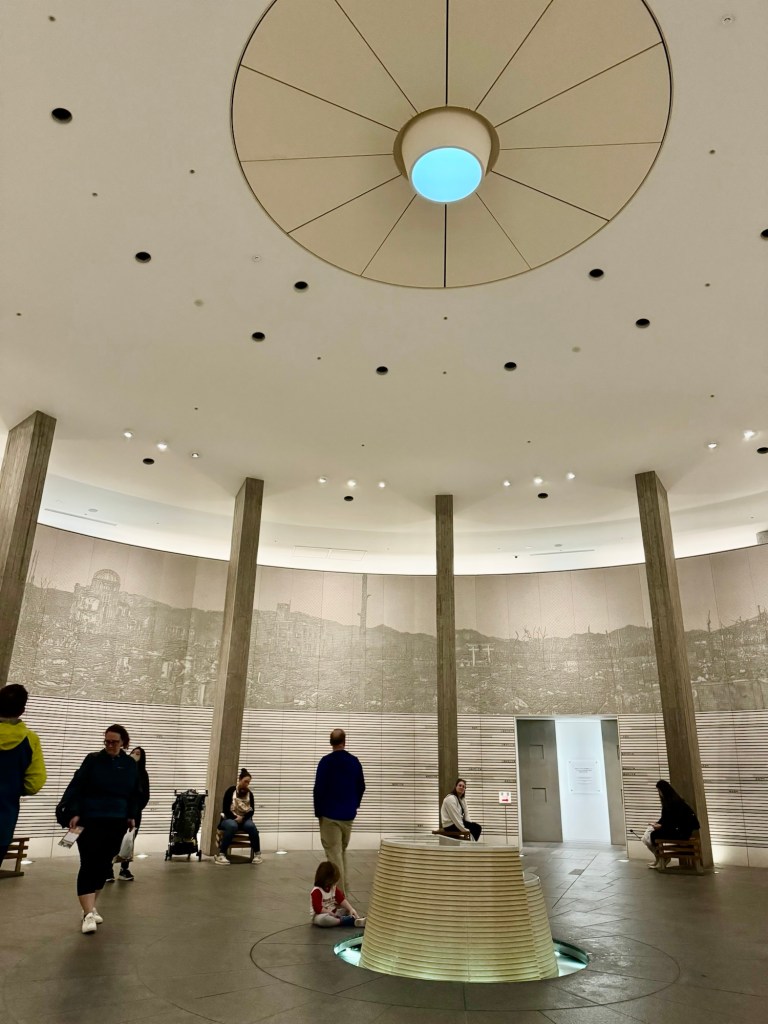
There is a Cenotaph for the victims, including both those who died from the initial blast and later from exposure to radiation. Below the arch is a stone chest holding a register of the names, of which there are over 220,000.
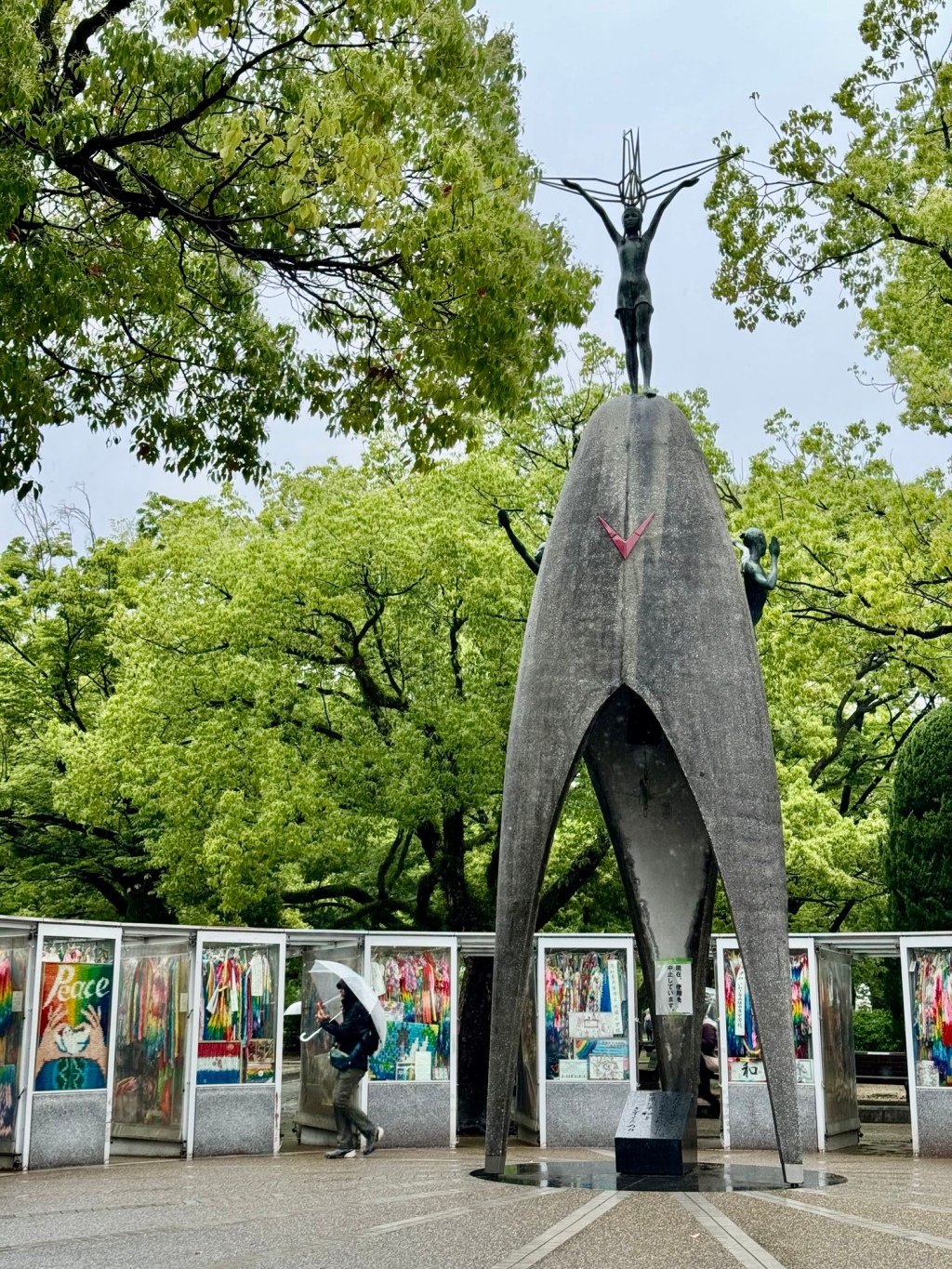
One particularly moving monument is the Children’s Peace Monument.
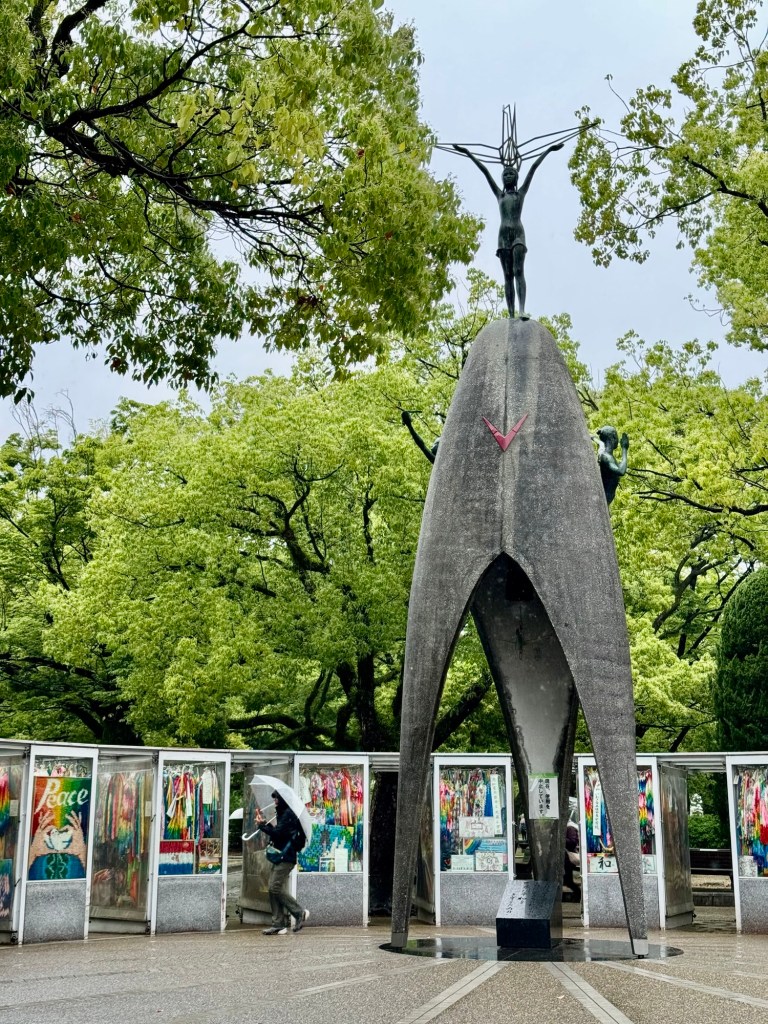
This was inspired by Sadako Sasaki’s story and the thousands of child victims.
Sadako Sasaki died of radiation poisoning and is at the top of the statue, where she holds a wire crane above her head. Before she died, she had a wish to create a thousand cranes. Japanese tradition says that if one creates a thousand cranes, they are granted one wish. Sadako’s wish was to have a world without nuclear weapons.
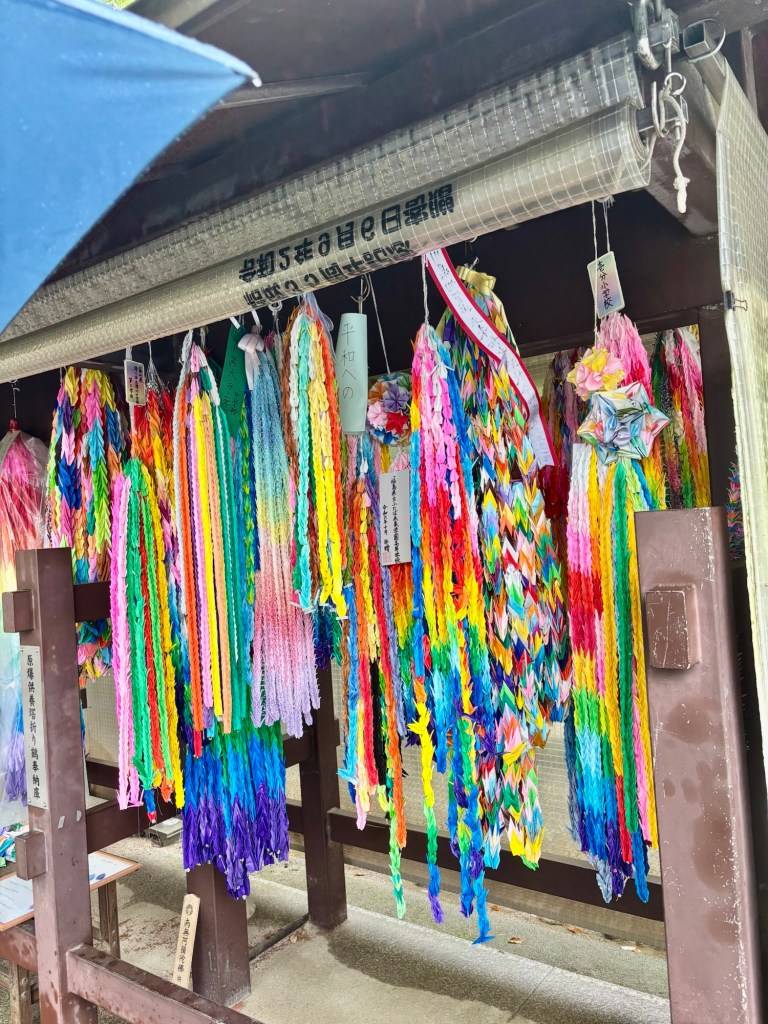
Thousands of origami cranes from all over the world are offered around the monument.
We also visited the Bell of Peace, which is a large bronze bell with a dome above which symbolises a world without borders. We both rang the bell as a prayer for peace
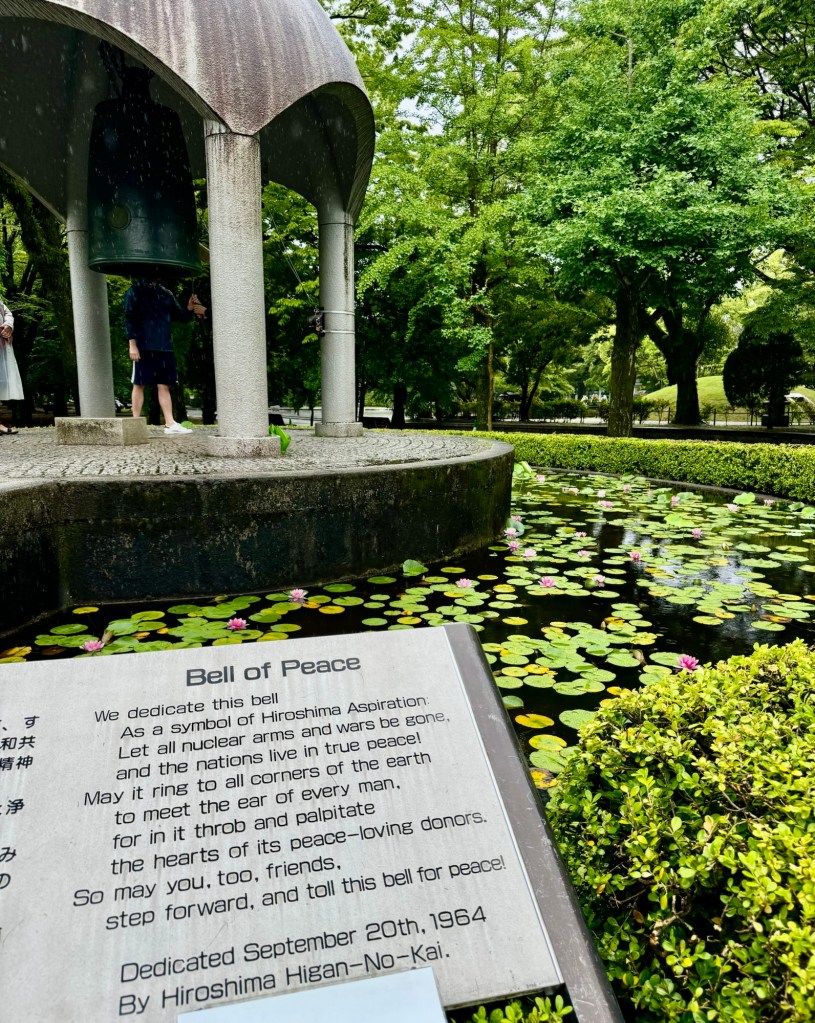
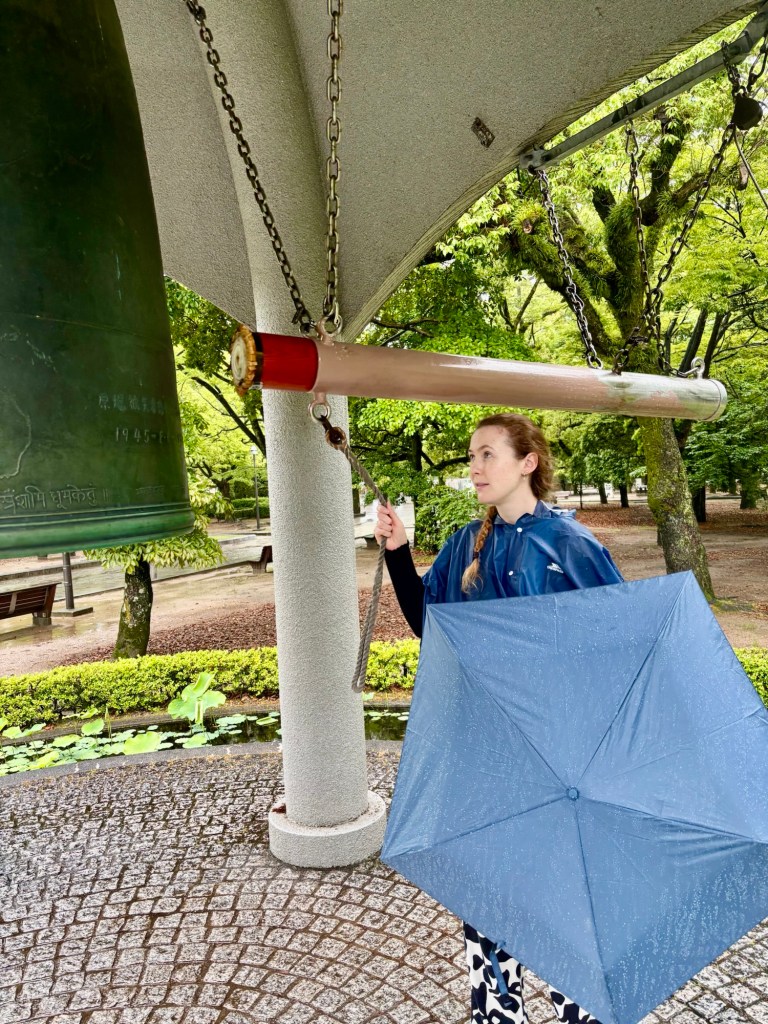
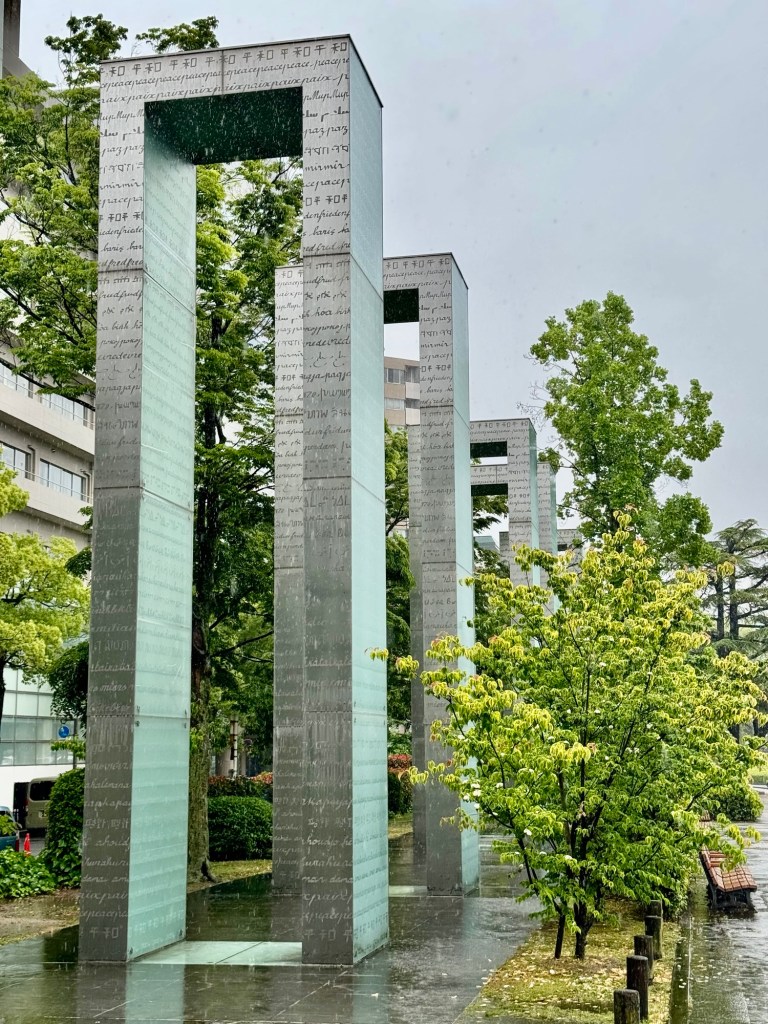
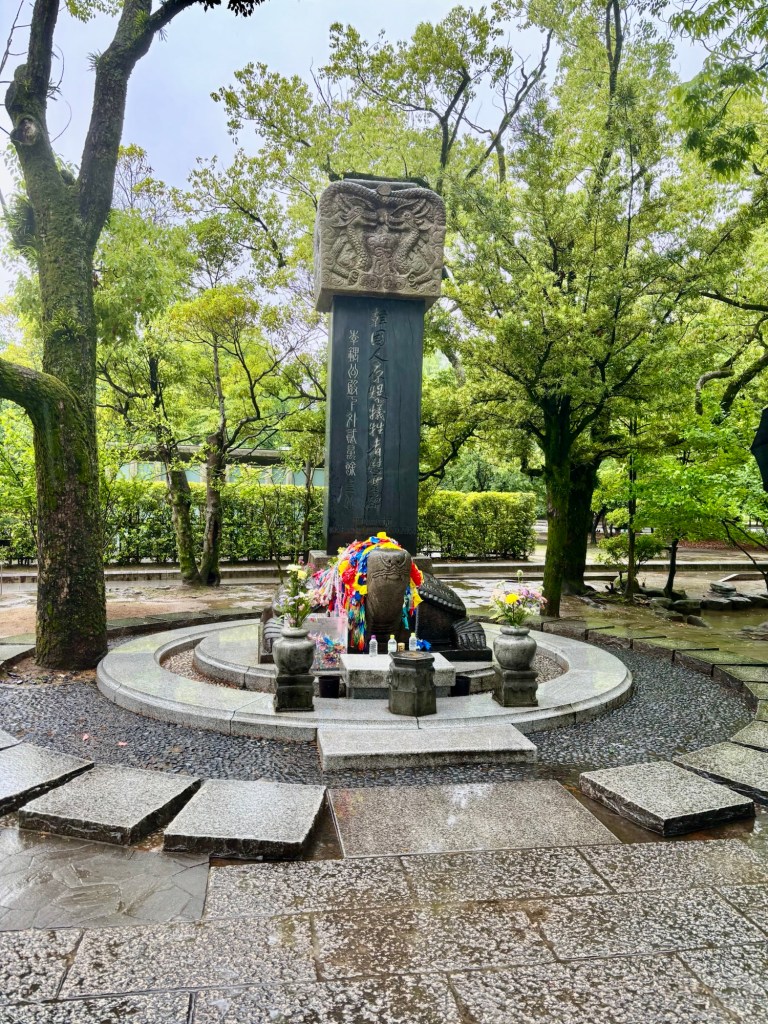
There were a number of other monuments in the park including the Peace Flame, the Peace Memorial Hall for the Victims, and the Gates of Peace.
Visiting Hiroshima and the Peace Memorial Park was a very powerful experience, one that both of us will remember.
 Our 7 Month Travel Blog
Leave a Reply